

Your doctor has diagnosed you as having chronic AF, which is a type of AF that takes more than 6 weeks to heal. You may have already used AF treatments such as stool softeners and topical numbing creams to help bring you some relief from your discomfort.
Your doctor has prescribed Seaford Nifedipine and Lidocaine HCl Cream, or Seaford AF Cream to manage your AF.
How Seaford AF Cream works
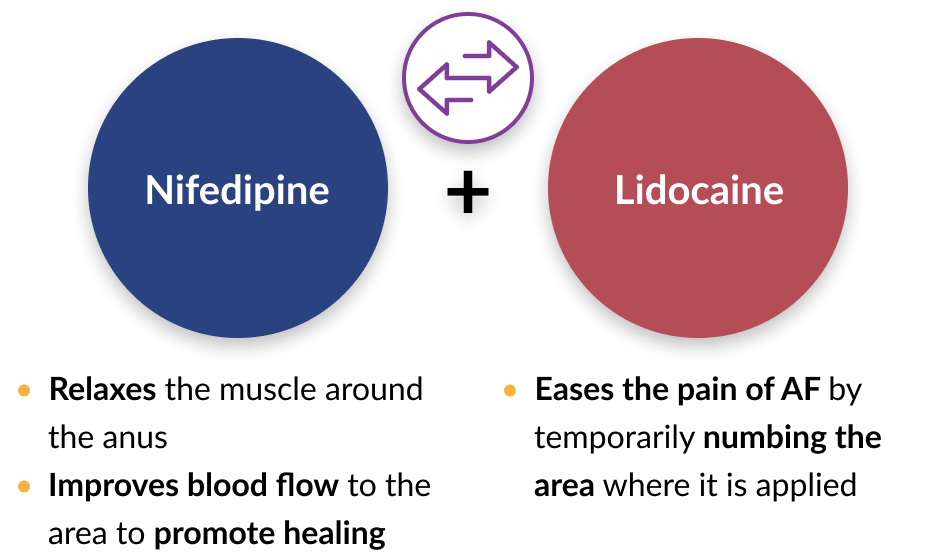
Seaford AF Cream has two medicinal ingredients: nifedipine and lidocaine. Together, they help to relax the muscles around the anus, improve blood flow to the area to promote healing, and relieve pain.
Dual-action Seaford AF Cream
Learn more about how Seaford AF Cream works
Watch the video
Possible side effects when using Seaford AF Cream
Side effects of Seaford AF Cream may include headache, nausea, vomiting, constipation, hot flashes, bleeding from the rectum when having a bowel movement, and fecal incontinence (inability to hold stool until you get to a toilet). These are not all the possible side effects that you may have when using Seaford AF Cream. If you experience any side effects not listed here, or you have a troublesome symptom or side effect that is not listed here or becomes bad enough to interfere with your daily activities, tell your healthcare professional.
If you miss a dose of Seaford AF Cream
If you forget a dose of Seaford AF Cream, do not use a double dose. Simply skip the missed dose and wait until it is time for your next dose. If you are unsure, talk to your healthcare professional.
How to apply Seaford AF Cream
Preparation
- Gather the following:
- 30 g tube of Seaford AF Cream
- Applicator, with cap
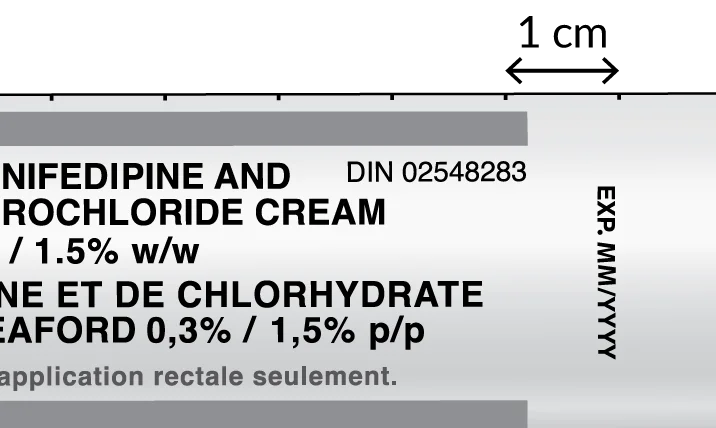
Important:
The Seaford AF Cream tube has markings on the side about 1 cm apart. Each of these represents a single dose of cream.
- Attach the applicator:
- Remove the top from the tube of Seaford AF Cream
- Screw the applicator onto the opening of the tube of cream
- Make sure it’s firmly attached so it doesn’t leak
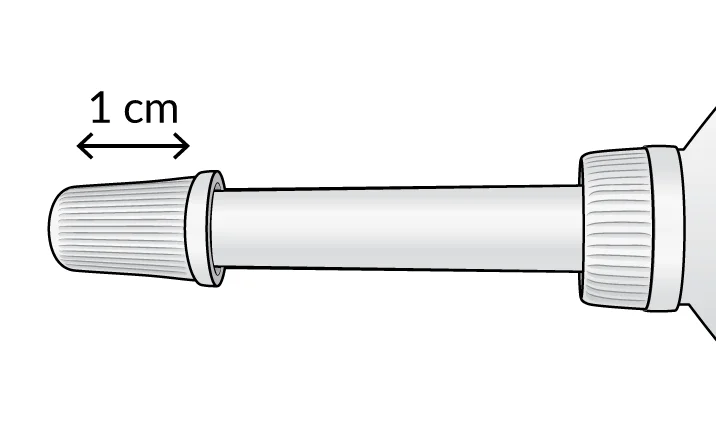
Important:
The length of the cap on the applicator is about 1 cm long.
This is how far you will insert the applicator into the anus when you administer the cream.
- Lubricate the applicator tip
(optional but recommended):
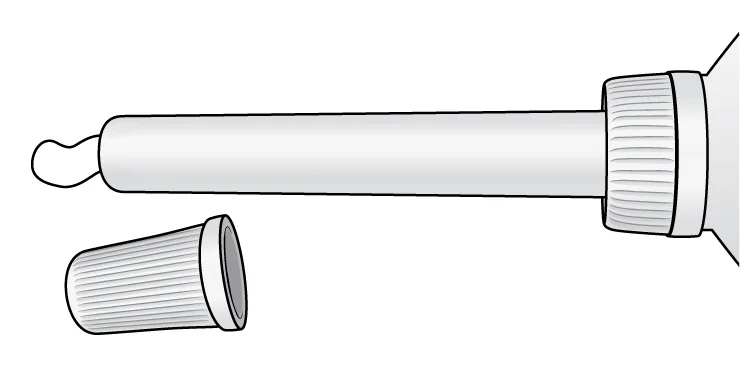
- Remove the cap and gently squeeze the tube until the entire applicator tip has cream inside it
- Do not fill it completely – just enough so a small amount appears at the end
- Apply a small amount of the cream to the outer surface of the applicator this reduces discomfort when inserting
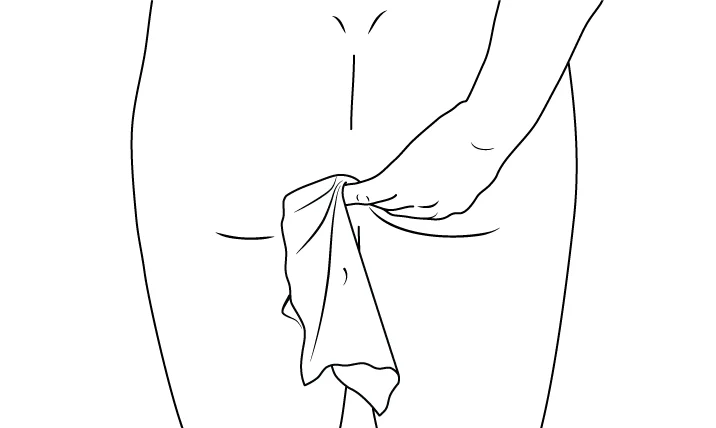
- Thoroughly clean and dry the anal/rectal area.
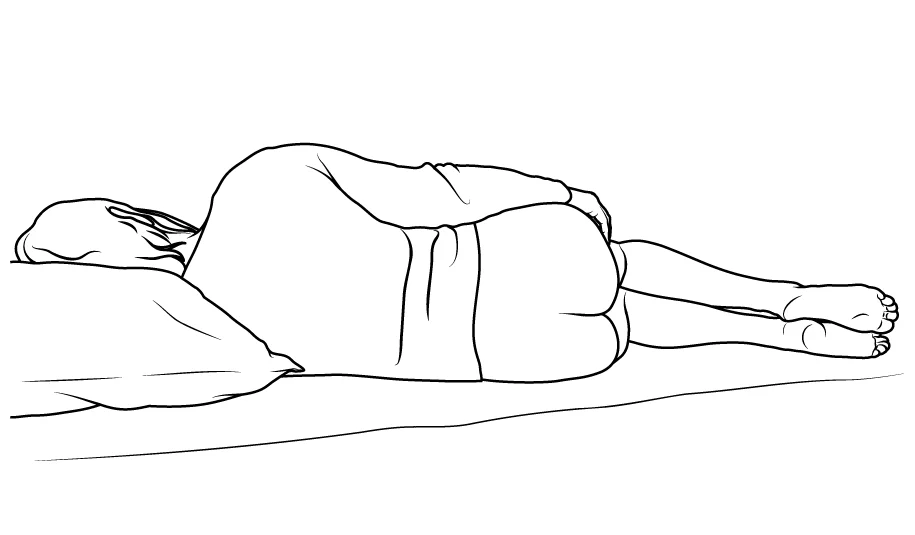
- Lie down on your left side in a comfortable place with your knees pulled slightly towards your chest.
Applying the dose
- Insert the tip of the applicator into the anal canal – up to 1 cm.
- Do NOT insert fully – the design ensures the holes near the end of the applicator base apply the cream without deep penetration
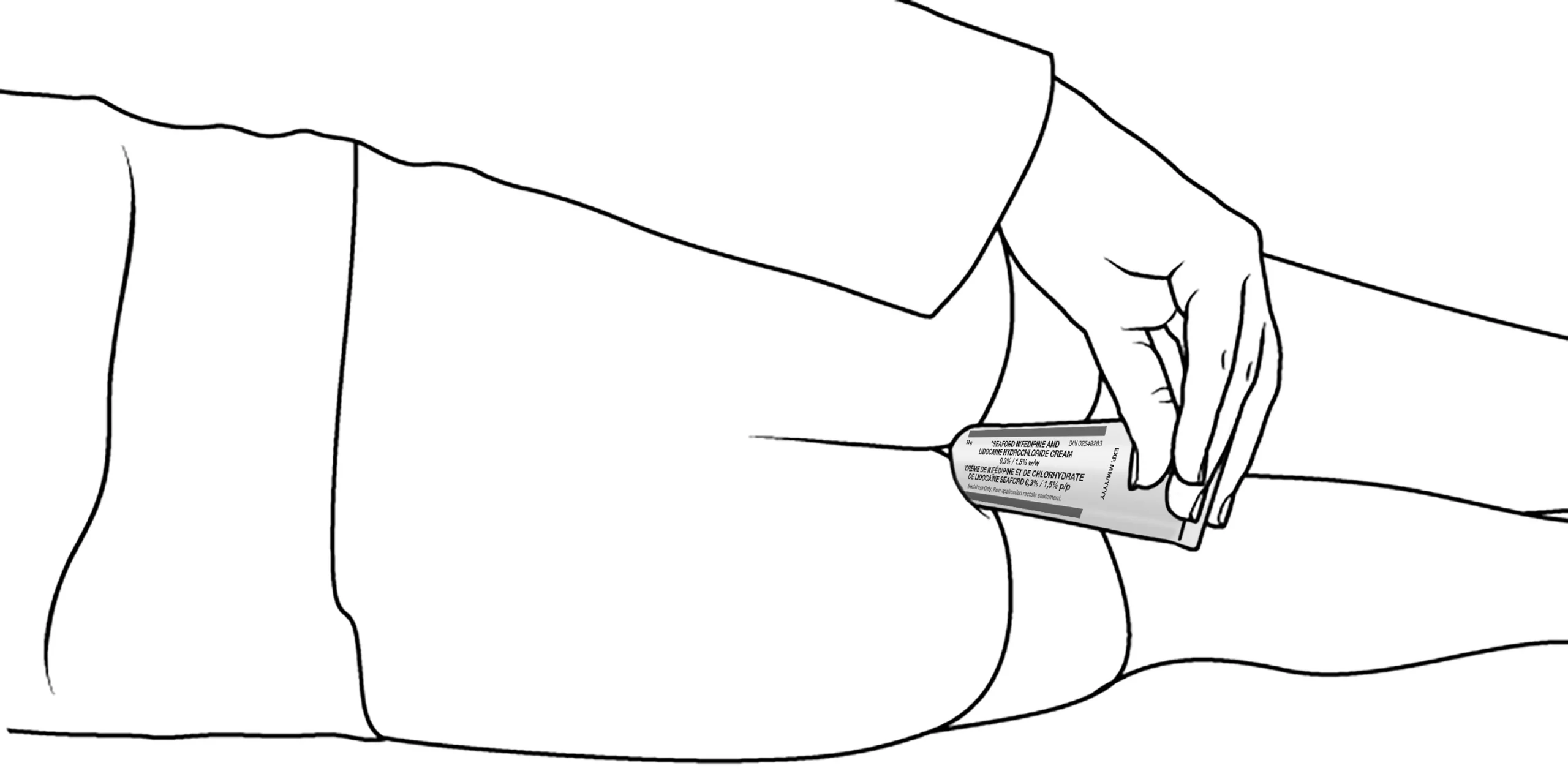
- Gently squeeze the tube from the bottom for 2-3 seconds to release 1 cm of cream.
- Try to visualize the markings on the tube and only release the cream until the next marking on the tube is reached. The cream exits through the end of the tip to coat the anal canal internally.
- Withdraw the applicator and remain on your side for 3 to 5 minutes.
Cleaning up
- Unscrew the applicator from the tube and wash it with warm water and soap. Dry well and store for reuse.
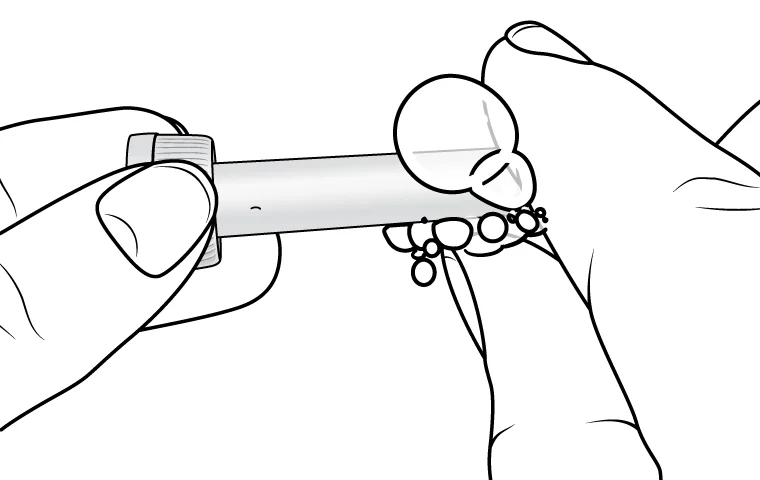
- Place the cap back on the tube.
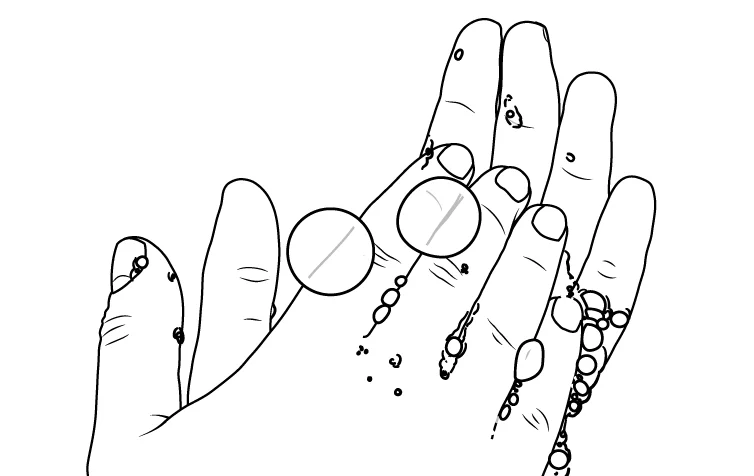
- Wash your hands with soap and water.
Use Seaford Nifedipine and Lidocaine HCl Cream exactly as your healthcare professional has told you. The usual dose is:

1 cm of cream

Twice a day

For 3 weeks
Serious Warnings and Precautions
Seaford AF Cream can cause a rare, but serious, blood disorder called methemoglobinemia. It can appear up to two hours after you use Seaford AF Cream. Stop using Seaford AF Cream and talk to your healthcare professional immediately if you get any of the following symptoms: weakness, confusion, headache, difficulty breathing, pale, grey or blue coloured skin.